
Dental
Root Canal Treatment
Saving an infected or damaged tooth.
Root canal treatment removes infected or inflamed pulp — the soft tissue inside the tooth — then cleans, shapes and seals the root canals. It allows a tooth that would otherwise be lost to be kept.
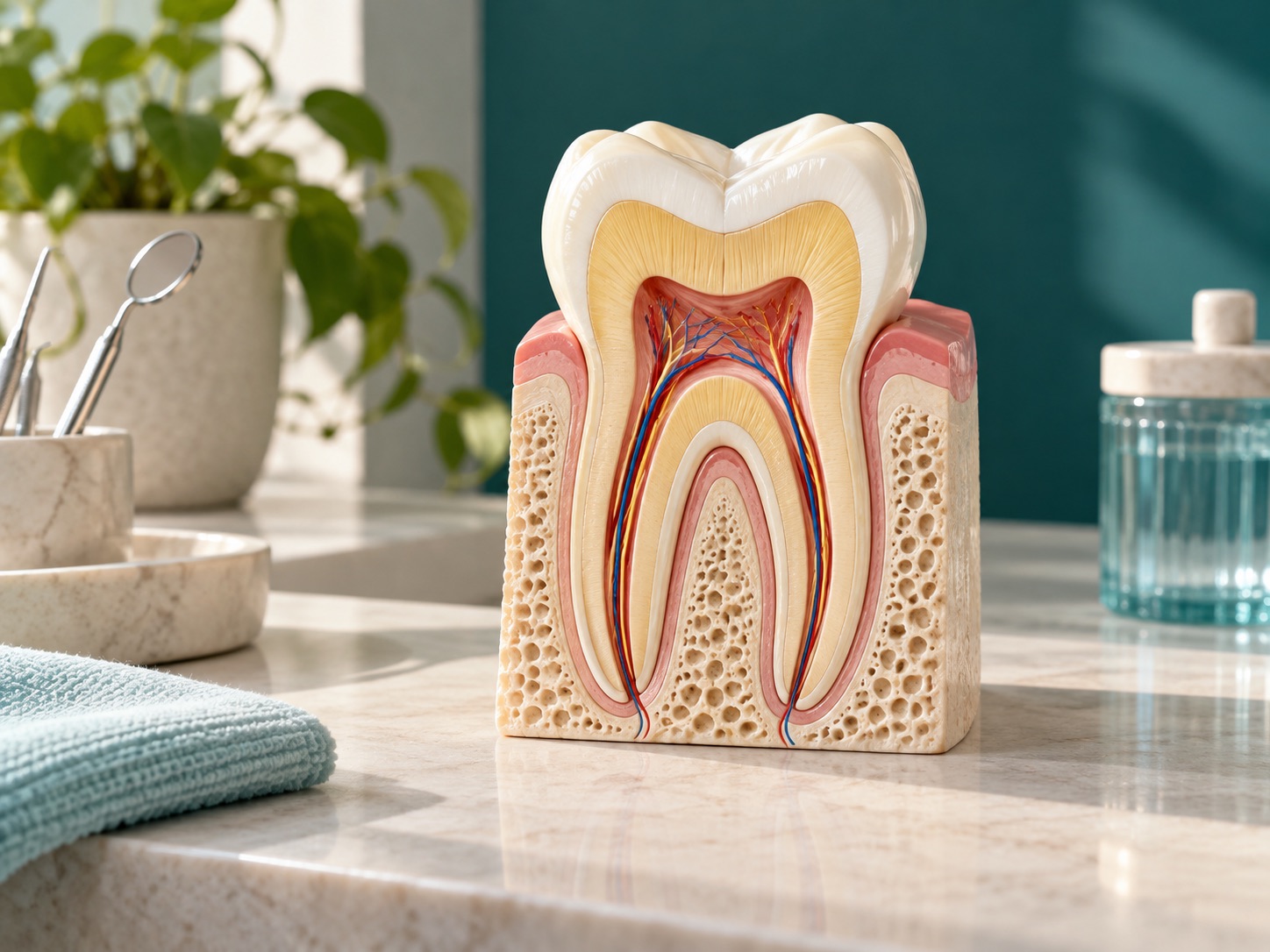
Treatment overview
It is typically needed after deep decay, a crack or trauma. Back teeth that have had root canal treatment are often weakened and usually need a crown afterwards.
Common purposes
- Relieving pain from pulp inflammation or infection
- Treating an abscess at the root tip
- Keeping a natural tooth instead of extracting it
- Preparing a tooth for a crown when needed
Free consultation
Free consultation
No obligation. A coordinator replies personally.
Who may be suitable?
- People with deep decay reaching the pulp
- Teeth with persistent pain or sensitivity
- Teeth with infection visible on X-ray
- Teeth with enough structure left to be restored
Suitability is always decided by a specialist after reviewing your health and examining you.
Treatment process
- 01
Before treatment
You share symptoms and any recent X-rays. In the clinic, the tooth is examined and imaged to confirm the diagnosis and whether the tooth can be saved.
- 02
Treatment day
Under local anaesthesia, the pulp is removed, canals are cleaned and disinfected, then filled and sealed. Treatment may take one or more visits.
- 03
After treatment
Tenderness for a few days is common and usually managed with simple pain relief. A temporary filling protects the tooth until the final restoration.
- 04
Follow-up
A permanent filling or crown is placed. Follow-up X-rays may be taken to confirm healing.
Expectations & recovery
Most people return to normal activities the same day.
Avoid chewing hard foods on the tooth until it is fully restored.
Results and recovery vary from person to person. No outcome can be guaranteed.
Risks & considerations
Potential benefits
- Keeps your natural tooth
- Relieves infection-related pain
- Usually avoids extraction and replacement costs
Risks & considerations
- Treatment can occasionally fail and need retreatment or surgery
- Complex canal anatomy can make treatment difficult
- The tooth may become brittle and need a crown
- Rarely, instrument separation or perforation
Questions about this treatment
Independent patient resources
This information is general and does not replace a medical consultation.
Related treatments
Your Next Step Starts With a Conversation.
Speak with a patient coordinator — free and without obligation.
Free Consultation