
Weight Loss
Gastric Sleeve
Reducing stomach volume to support weight loss.
Sleeve gastrectomy is a bariatric operation in which a large part of the stomach is removed, leaving a narrow, tube-shaped stomach. It is usually performed laparoscopically through several small incisions.
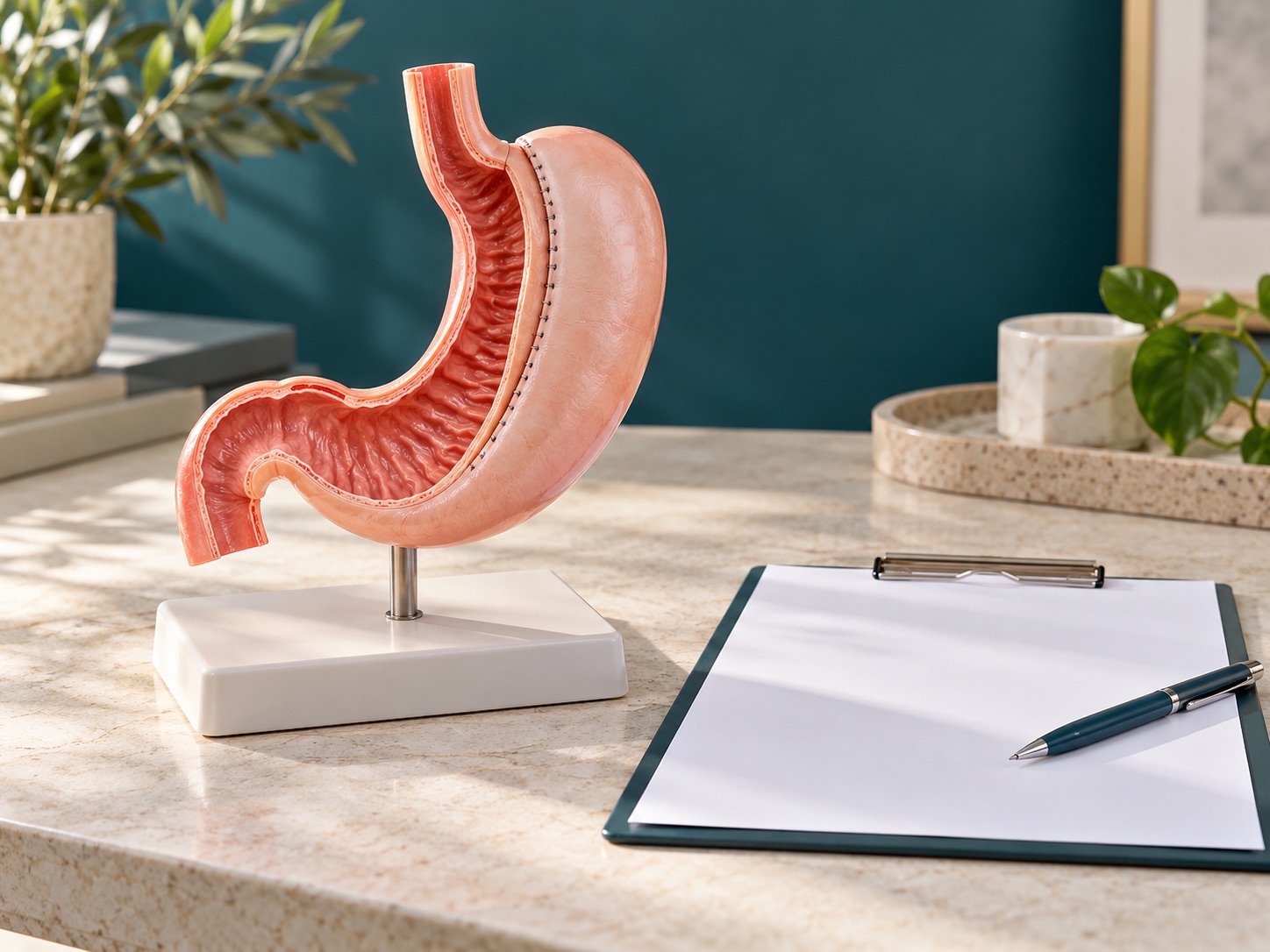
Treatment overview
A smaller stomach holds less food, and the procedure also affects hunger-related hormones. It is a tool that works alongside long-term changes in eating and activity, not a stand-alone solution.
Common purposes
- Supporting significant weight loss in people living with obesity
- Helping improve obesity-related conditions, as assessed by the medical team
- Offering an option when supervised non-surgical approaches have not been sufficient
Free consultation
Free consultation
No obligation. A coordinator replies personally.
Who may be suitable?
- Adults who meet body-mass-index criteria used in clinical guidelines, often together with obesity-related conditions
- People who have tried supervised weight-management approaches
- Those prepared for permanent dietary changes, supplements and follow-up
- Eligibility is confirmed only after medical, nutritional and, where required, psychological assessment
Suitability is always decided by a specialist after reviewing your health and examining you.
Treatment process
- 01
Before treatment
Your history, current medications and previous weight-loss attempts are reviewed. Pre-operative tests and a preparatory diet may be required.
- 02
Treatment day
Under general anaesthesia the surgeon removes part of the stomach laparoscopically and closes the remaining sleeve with staples.
- 03
After treatment
A staged diet begins with liquids and progresses gradually to purées and solid foods under guidance. Early walking is encouraged.
- 04
Follow-up
Regular follow-up covers weight progress, nutrition, vitamin and mineral levels and any symptoms. Lifelong supplements are commonly recommended.
Expectations & recovery
Most people stay in hospital for a short period after surgery; the exact length is decided by the medical team.
Eating habits change permanently: small portions, slow eating and adequate protein and fluid intake.
The amount and pace of weight loss vary considerably between individuals.
Results and recovery vary from person to person. No outcome can be guaranteed.
Risks & considerations
Potential benefits
- Potential for substantial, sustained weight loss with lifestyle support
- Possible improvement of related conditions such as type 2 diabetes or sleep apnoea
- No implanted device and no intestinal rerouting
Risks & considerations
- Surgical risks including leakage along the staple line, bleeding and blood clots
- Reflux may develop or worsen after the procedure
- The removed part of the stomach cannot be restored
- Weight regain is possible without long-term dietary and lifestyle changes
Questions about this treatment
Independent patient resources
This information is general and does not replace a medical consultation.
Your Next Step Starts With a Conversation.
Speak with a patient coordinator — free and without obligation.
Free Consultation